Grow your own fruit or veggie garden at home
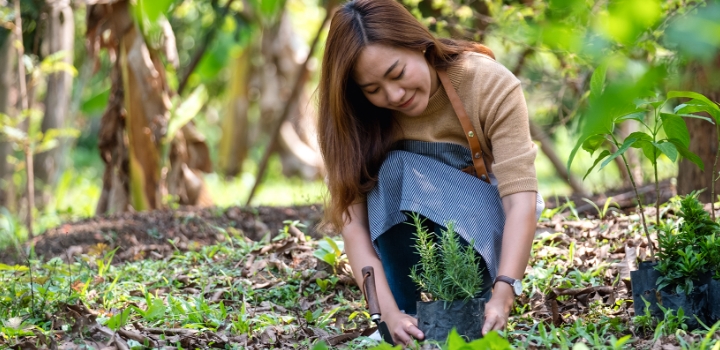
Even if you live in an apartment and don't have a garden, you can still grow your own plants on a sunny windowsill or balcony.
Eight golden rules for growing your own vegetables
There are many health benefits to growing your own herbs, fruit and vegetables. You can control the types of pesticides and fertilisers you use. Naturally grown produce that's allowed to ripen in the garden is proven to have more nutrients than store-bought produce. Gardening is also an exercise in mindfulness. Added to that, a thriving garden filled with leafy green vegetables, brightly coloured fruit and ready to harvest vegetables is difficult to resist. You'll be eating more greens as part of your daily diet very soon.
Even if you don't have the luxury of living in a house with a garden, you can still grow your own on a sunny windowsill or balcony in your apartment.
Here are eight tips to follow to make sure you get the best harvest.
1. Seed or seedlings?
Seeds are planted to grow new plants and seedlings are young plants that have already sprouted from the seed. Watching new sprouts stick out through the soil and develop into seedlings you planted from seeds is immensely satisfying. However, the process adds up to six additional weeks to your garden project. Buying seedlings is a little more expensive but will give you the necessary kickstart into the season. If you're growing from seeds, consider planting them in containers indoors first and then transferring them into your garden. Seedlings can be grown and nurtured both indoors and outdoors.
2. Read the instructions
If you're growing from seeds, read the instructions carefully for guidance on the best season to sow and whether the plant needs direct or indirect sunlight. You should also read instructions about how frequently you should water your plant as well as growing times. If you've bought seedlings from a nursery or local grocery store, speak to the nursery adviser. They will have the best advice on growing tips. You can also get information from the internet.
3. Prepare and improve the soil
Before planting, prepare the soil by tilling and adding mulch or plant-starting fertilisers for nourishment. If you want to go the organic route, look out for organic compost or make your own. You can make compost using banana peels, coffee grounds, eggshells, fish meal, etc. to give your patch a boost.
4. Pick a sunny spot
If you don't choose a spot that's sunny enough for your crop, your plant is likely to end up with extra-long stems and thin leaves as it grows longer in an attempt to find the sun. The general recommendation is at least six hours of full, direct sunlight to stimulate the fastest growth.
5. Sow those seeds
Some seeds will require soaking in water before planting in the soil so read the instructions carefully for optimal growth. Larger seeds and root vegetables need to be planted at a depth that's about three times the diameter of the seed. Make sure you leave enough space in between seeds. When the seedlings have grown twice the height in starter trays, they are ready to be transplanted into the garden. Gently tease the roots apart without breaking them or shaking off too much soil, to allow for an easy introduction to their new environment.
6. Water at the right time
Most veggies are thirsty and need regular watering, but there is a danger of overwatering which leads to waterlogged soil and root rot. Underwatering can cause the plant dehydration. Remove the headaches of guesswork and get yourself a moisture metre. It is a device which will let you know when the soil needs watering or not.
7. Watch out for pests and flying critters
Attract good bugs or beneficial insects such as ladybugs, damsel bugs and lacewings into your garden by planting flowers around your fruit and vegetable patch. In turn, they will feast on and keep the plant-munching from getting out of control and destroying your crop. Alternatively, invest in organic fertilisers. Look out for birds if you've planted tomatoes, peppers, and other brightly coloured fruit, which they love to snack on. You may have to cover the crop with garden fabric. This will keep the critters out and help prevent frostbite and leafy greens such as lettuce and spinach from bolting, resulting in bitter-tasting greens.
8. Harvest time
Vegetables such as cucumbers and baby marrow need to be replanted each year. But some vegetables (such as carrots, spinach, leek and onions) are biennial, meaning they live and reproduce for at least two years. Knowing how and when to harvest is key. Generally, you can take withering leaves or a dying flower as a sign to pull out carrots and potatoes, or check the size of cucumbers and pumpkins. But don't be tempted to wait longer in a quest to grow a larger-sized yield because you might lose the crop.
Quick sowing guide
Each plant has its own optimal sowing time. A quick reference:
- Spring crops: beans, tomatoes, peppers, okra, coriander, thyme
- Summer crops: beetroot, broccoli, kale, basil, rocket, chives
- Autumn crops: cabbage, carrot, cauliflower, rocket, thyme, chives
- Winter crops: peas, radish, Swiss chard, kale, parsley
For more information, visit the Stark Ayres Sowing Guide. The range of polypack seeds are non genetically modified organisms (non GMO) and specifically selected for the home gardener. Woolworths Heirloom seeds have been saved and maintained through generations from varieties that existed before 1950.
Tag us on social media using #VitalityGardening to share your gardening progress.
Happy gardening!