Setting SMART nutrition goals for the year ahead
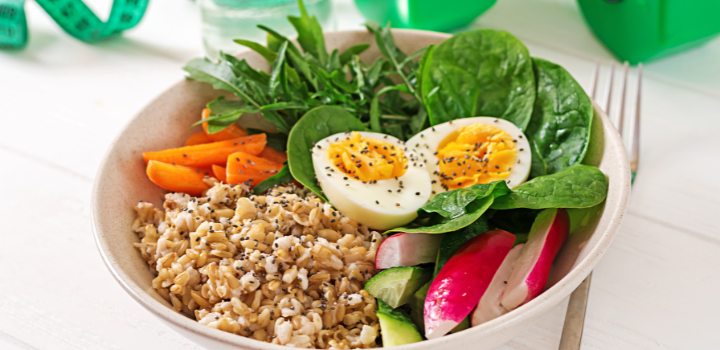
Elevating your vitality and overall well-being involves managing your dietary choices. If you want to feel healthier, start by making small changes in what you eat. Forget crash diets - they don't last. Instead, focus on smart nutrition goals.
Why set nutrition goals
Small changes can add up and make a noticeable difference to your health. Making big changes to your diet at once can be overwhelming, and makes it easier to want to give up. By setting smaller goals and incorporating them over time, you are more likely to sustain healthy eating habits.
Be SMART when setting your nutrition goal
Thinking SMART will help you set goals that give the best results. A SMART goal should be: Specific, Measurable, Achievable, Relevant, and Time-bound. Like saying, "I will make food at home for dinner three nights a week this month. This will help me save money and make me more mindful of eating healthier meals."
Set goals that are relevant to you, and which feel attainable. When it comes to healthy eating, there are many places to start, but here are a few ideas to get you started:
- Cook at home more often: Cooking your own food is generally healthier than eating out.
- Avoid highly processed foods: Limit foods such as takeaway foods, crisps, chocolate and sweets, cakes, biscuits and pastries, as these foods are often high in sugar and fat and salt.
- Control portion sizes: Using smaller plates, bowls and glasses can help keep your portions under control. Remember to drink water and eat slowly so you don't go back for seconds before you realise you're actually full.
- Eat more fruits and vegetables: Vegetables and fruit provide many health promoting nutrients and have been shown to reduce the risk of developing chronic diseases. Try to include plenty of different types and colours of fresh vegetables and fruit to benefit from the wide array of phytochemicals (beneficial compounds) found in plant foods.
- Drink water: Drink water when thirsty and regularly throughout the day. Plain water is the healthiest choice.
- Cut sugar intake: Aim for no more than 6 to 12 teaspoons a day in total (less than 5% or at most less than 10% of your total energy intake). Do this by limiting sugary breakfast cereals, biscuits, cake, sugary drinks, sweets and chocolates.
- Pack your snacks: Healthy snacks can keep your energy levels up between meals, and prevent overindulging in the wrong types of food. Try a handful of unsalted nuts, a piece of fresh fruit with plain yoghurt, or a glass of milk.
Remember, your diet should consist of vegetables, fruits, legumes (beans, lentils, chickpeas), whole grains and high fibre starchy foods, dairy, healthy protein rich foods and healthy fats and oils to provide all the nutrients you need. You can find these food items on the HealthyFood catalogue at Checkers and Woolworths.
How we can help you?
Join a course at the Vitality HealthyFood Studio. At Vitality HealthyFood Studio, we empower you to embrace a wholesome, healthy lifestyle through our dietician-approved healthy cooking classes. Elevate your nutrition goals for the year as our chefs guide you in making delicious, nutritious meals.
For more healthy eating goal tips, subscribe to our Vitality nutrition newsletter and follow @vitality_healthyfoodstudio on Instagram.
Live life with Vitality