Spring-clean your eating habits this September
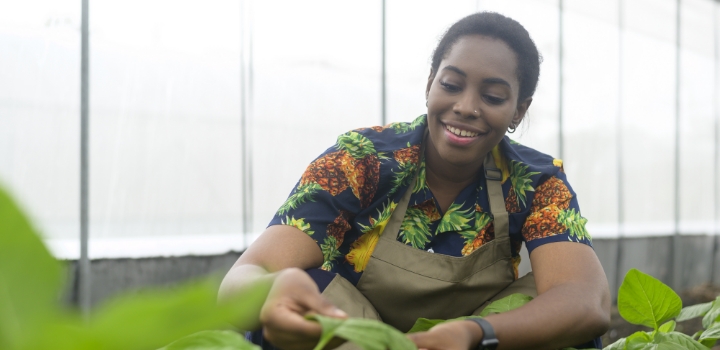
Embracing sustainable eating means ensuring that the decisions we make now contribute to the kind of future we want to inhabit. A key approach to adopting sustainable eating habits involves aligning our meals with the natural seasons.
Sustainable eating is about making sure that the choices we make today shape the future we'll live in tomorrow. One way to practice sustainable eating is to plan and eat meals according to the season, writes Vitality dietitian Carla Pool.
A simple way to understand sustainable eating is that our food must meet our nutritional needs while also conserving natural resources. Sustainable eating means buying what is currently in abundance - think local, seasonal foods.
Eating sustainably also saves money and energy and lets you enjoy foods at their peak.
Here are five tips to get you eating more sustainably, plus a reminder of seasonal fruit and vegetables to buy this spring.
- Eat local and in-season foods. The low environmental impact is throughout the food cycle, from production and packaging to transport and distribution.
- Choose whole, minimally processed foods. Less energy and fewer resources are used compared to making and packaging processed foods. For example, buy spinach in a bunch versus washed, cut, and packed items.
- Choose sustainable-sourced seafood. You can check the Southern African Sustainable Seafood Initiative's (SASSI) website for a list of seafood on the green list.
- Minimise food waste through mindful eating. Prepare and serve appropriate portion sizes. Buy fresh produce, prepare and use what you need on a particular day, and then freeze the rest.
- Swap animal proteins for plant-based proteins like lentils, split peas and beans. Producing meat (especially beef) contributes considerably to greenhouse gas emissions, but the nitrogen-fixing properties of legumes contribute to soil richness.
What's in season this spring?
Here are some fruits and vegetables that are in season in spring (September, October and November) in South Africa:
Fruit: Apples, apricots, avocados, bananas, cherries, coconuts, dates, grapefruit, guavas, lemons, limes, naartjies, nectarines, oranges, pawpaw or papaya, pears, pineapples, plums, strawberries, sweet melon, and watermelon.
Vegetables: Artichokes, asparagus, aubergines (eggplant), baby marrows, beans, beetroot, Brussels sprouts, cabbage, carrots, cauliflower, celery, corn, courgettes (baby marrow), cucumber, kale spinach, leeks, lettuce, parsnips, potatoes, pumpkins, radishes, red onions, turnips, and watercress.
Try these HealthyFood Studio recipes this spring
We'd love to see what you've cooked up. Share your creations on social media! Remember to tag us @VitalitySA_ on Instagram, @DiscoveryVitality on Facebook, and @Vitality_SA on Twitter, and use the hashtag #VitalityHealthyFoodStudio.
Breakfast
- Strawberry and banana breakfast smoothie
- Apple and granola rings
- Yellowtail kebabs with orange, ginger and honey
- Grilled Brussels sprouts with almond and mustard dressing
Snacks and dessert
- Roasted pineapple with ginger and yoghurt
- Lemon tart with coconut and date crust
- Watermelon, olive and feta salad
Remember, Vitality's HealthyFood benefit gives members rewards of up to 75% back on fresh, whole food all throughout the year. So, activate your benefit and grab your spring produce from your closest Checkers and Woolworths.
We teach people to master their kitchens at our HealthyFood Studio in Sandton, where fresh, seasonal ingredients, real nutrition and sustainable eating all come together with a healthy dose of delicious. Sign up for a course, your tastebuds won't be disappointed.