Tough One training advice for runners
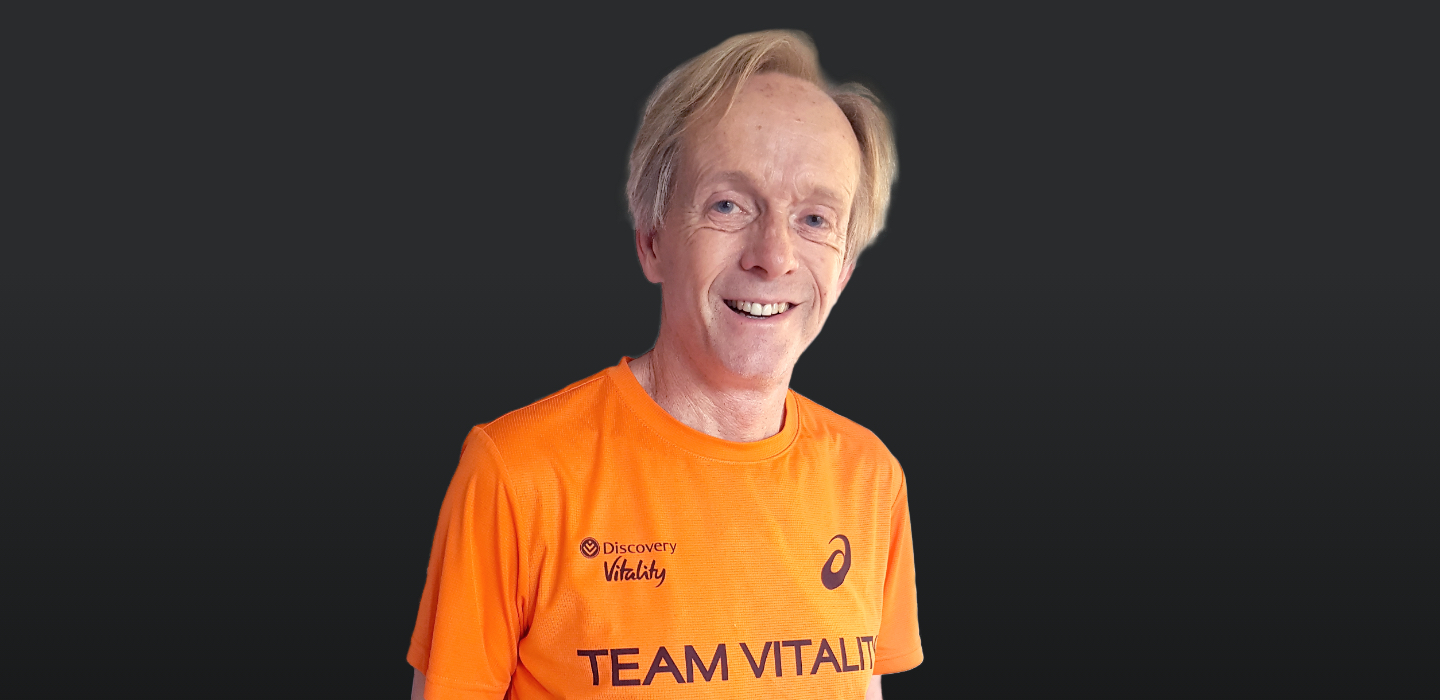
The Rand Athletics Club (RAC) Tough One race has always held a special place in my heart. This is because it was the first road race I ever witnessed live.
It was a scorching morning in the summer of 1974, and I was returning from the after party of my school matric dance in a car driven by my friend's parents. As we drove up from Fourways in Sandton, I noticed a straggling and scattered line of tired, sweaty runners shuffling their way along that heat shimmering tar road towards Randburg. I could see from the numbers pinned on their running vests that these runners were participating in some sort of race. None of them were smiling, most were grimacing and all of them were dripping sweat.
I remember thinking, "What an idiotic thing to be doing on a Sunday morning."
Little did I know then that I was watching the runners participating in one of the earliest RAC Tough One races. Nor did I recognise the runner leading the race. He was wearing the red and white hoops of Westville athletic club. Back then I would not have appreciated those famous club colours either. The runner was Derek Preiss who won that day, and would soon become a double Comrades Marathon champion.
In my exhausted, post matric dance state, I would have been astonished if someone had suggested that a few years later I would run the Tough One. I would have been even more astonished if someone had said that I would go on to advise runners on how best to train for the race. I would have been totally aghast if I had been informed that in the not too distant future, Derek Preiss and I would become intense rivals on the Comrades Marathon road.
The Tough One is not called that because it's easy. If it were easy, anyone could run it, and you, the runner reading this column, are not just 'anyone'. The race is a brutally tough 32 kilometres (km), taking in some of the toughest and longest hills in the Randburg and Fourways area. The stretch from 20 km to the end is an almost continuous, steady, uphill pull. Invariably, it is very hot on the road and if it's not hot, incessant summer rain usually belts down on the runners. A few years ago, it hailed. The hail was so intense that we runners had to huddle under trees and in bus shelters.
For younger runners, the 32 km distance might also seem strange and unusually cruel. They may be asking, "Why 32 km; why not 30 km?"
It is 32 km because in the early days of the running boom, all running distances were measured in British imperial miles. Also, all American and British text books, training guides and magazines only referred to miles. So, 32 km is a twenty mile race. To further emphasise how tough it is, it is worth noting that I have been running for 45 years and I have only completed 13 Tough One road races. Too often I have found a half decent excuse not to enter!
Having succeeded in putting everyone off the Tough One, now I can advise you on how to make the challenge that much easier and how you can finish the Tough One relatively comfortably.
There are now just under two months left to train, so everyone needs to get cracking.
Aspiring Tough One runners should already have been running regularly. From now on, it is time to increase those daily distances, and those weekly sessions to at least five or six days a week.
Here is an example of a solid week of training:
- Sunday: Longer run. 15 km to 25 km on a course with rolling hills.
- Monday: Rest day
- Tuesday: Hill session or hilly route - run some repetition surges up a steep hill or choose a hilly route with a couple of long steady climbs. About 8 km to 10 km.
- Wednesday: 15 km run - I recommend a mid week longer session run at a steady pace. Not too many stops.
- Thursday: 10 km run at steady pace.
- Friday: Rest day or an easy paced 8 km run.
- Saturday: Short distance faster run - perhaps a short warm up and then a 5 km parkrun.
Runners should try and sustain this schedule for the few weeks, until the penultimate week before race day. Then it is time to cut back.
It is important to be well rested, fresh and strong for a race as grueling as the Tough One, so I prefer a decent training taper and rest in the last seven days before the race.
- Sunday: RAC Tough One
- Sunday: 12 km easy pace run
- Monday: Rest day
- Tuesday: 5 km easy run
- Wednesday: 5 km easy run
- Thursday: 3 km light jog
- Friday: No run, just rest
- Saturday: No run, just rest
Afterwards runners can feel truly proud to have earned a Tough One medal. Those who have never run a 42 km marathon will now have the confidence to complete a marathon. The Tough One may be a 32 km race but the gritty determination required to conquer that race means a standard 42 km marathon will be easier by comparison.
Good luck, everyone and I hope to see many Vitality runners and friends at the hospitality marquee at the Tough One finish on 28 November.
Team Vitality ambassador - Bruce Fordyce