Understanding chemo
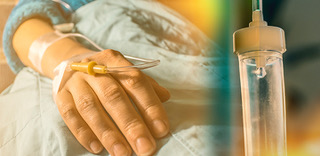
Chemo is a drug prescribed to destroy cancer cells. One of the best things you can do right now is to learn what having chemo involves so you know exactly what lies ahead as you embark on your cancer journey.
Chemotherapy is only one of many modalities of cancer treatment. Depending on your type of cancer, your medical team may include any number of these in varying sequences such as:
- Surgery
- Radiation link to understanding radiation here
- Hormonal (endocrine) therapy link to understanding endocrine therapy here
- Biologic therapy
- Immunotherapy
The aim of chemo is quite simple: to destroy cancer cells. Different cancers respond to different chemotherapy drugs and you may be given just one type of chemo drug or a combination of a few, depending on where in your body the cancer started (your type of cancer). Doctors use chemotherapy in different ways and at different times. These include:
- Before surgery or radiation therapy to shrink tumours (neoadjuvant chemotherapy)
- After surgery or radiation therapy to kill any remaining cancer cells (adjuvant chemotherapy)
- As the only treatment. For example, to treat cancers of the blood or lymphatic system, such as leukaemia and lymphoma
- For cancer that comes back after treatment (recurrent cancer)
- For cancer that spreads to other parts of the body (metastatic cancer).
How is chemotherapy given?
There are a number of different ways chemo can be administered and your doctor will decide which will work best for you:
Intravenous (IV) chemotherapy. Many drugs require injection directly into a vein. Treatment takes from a few minutes to a few hours. Some IV drugs work better if you get them over a few days or weeks through a small pump you wear or carry. This is called continuous infusion chemotherapy
Oral chemotherapy which is becoming more common, since many drugs used for targeted therapy work this way
Injected chemotherapy into a muscle, the fatty part of your arm or leg, or your belly (subcutaneous)
Less common ways of getting chemotherapy include infusion into an artery, into the peritoneum or abdomen, topical chemotherapy on the skin and chemotherapy into the fluid surrounding the brain and spinal cord.
Your health care team will decide where to administer your treatment: at the clinic, doctor's office, or in hospital. Depending on the type of chemo, you may be able to take the drugs at home.
How does chemotherapy work?
Chemotherapy damages dividing cells. Cancer cells divide much faster than most normal cells so chemotherapy is able to damage cancer cells and can destroy them. But some types of normal cells divide very often too, such as your skin, hair and nails. Chemotherapy can also damage these cells and although they’re able to repair themselves and recover, this does cause side effects in the process. Link to coping with side effects here.
These include:
- An altered sensation in your hands and feet – peripheral neuropathy
- Feeling tired and weak
- Battling with your hearing
- Feeling breathless
- Losing your sensation of taste and/or your appetite
- Issues with sex and fertility link to focus on future fertility here
- Nausea and vomiting
- Hair loss
- Changes to your skin and nails.
Most chemotherapy side effects are temporary and disappear once your treatment is over. But for some people, chemotherapy can cause long term body changes which may happen only months or many years after the treatment has finished.
These can include
- early menopause
- infertility
- peripheral neuropathy
- heart and lung problems.
Chemo is usually given for a specific time, such as 6 months or a year or for as long as it works. Because of the side effects, doctors usually give these drugs with breaks - for example, one dose on the first day and then 3 weeks of recovery time before repeating. Several of these treatment cycles make up a course of chemo with the time in between doses enabling you to rest and recover while your healthy cells heal before the next treatment.
Useful tips:
- Remember to always ask questions and to write them down before consulting with your doctor
- Chat to your team about medications that are not approved in South Africa but are approved in other parts of the world that you may benefit from
- Find out if there are any clinical trials that you may be eligible to be enrolled in to.
Offer
Recommended for you by Discovery
Life insurance covers you in case of a range of life-changing events
Choose from a range of benefits with your Discovery Life Plan that cover you for disability and severe illness to ensure that you can focus on what’s important: getting well.
Put your health first with OncologyCare
If you're diagnosed with cancer and once the Discovery Health Medical Scheme has approved your cancer treatment, you are covered by our Oncology Programme. We do not limit your cancer treatment costs, and cover the first part of your approved cancer treatment over a 12-month cycle in full.
Members with cancer also have access to a comprehensive palliative care programme through the Advanced Illness Benefit. This programme offers unlimited cover for approved care at home.
Related articles
Pushing limits and shedding pounds: How Dumi found a sport she loves
Spring brings a scurry of activity as the earth bursts into life. Use this season to fall in love with a fitness activity that keeps you coming back for more. Dumisile Mthalane did just that. By finding a sport where she can soak up the sunshine, she's transformed the way she looks, thinks and feels.
Diets are changing. 5 ways to take back healthy habits
As a nation, we're experiencing an alarming rise in obesity and diet-related diseases. Something has changed about the way we interact with our food. Here’s how to get ourselves (and our kids) back on track.
Catching up with Wayde and Chad: how they reach their goals, and how you can too
We chatted to Discovery Vitality Ambassadors Wayde van Niekerk and Chad le Clos on their recent sporting victories and gleaned pointers on how to 'get to gold' in our own health and wellness journeys.